Our Story
ComMotion began as a simple observation: many people move through their days disconnected from their bodies, treating physical activity as either a chore to complete or an achievement to pursue. We wondered what might happen if movement became something different—a practice of curiosity, awareness, and gentle exploration.
Founded in Budapest, our studio has grown into a community of people who share an interest in mindful movement. We are not focused on performance or outcomes, but on the process of discovering what movement can feel like when approached with patience and attention.
Our name, ComMotion, reflects our philosophy: "Com" suggesting communication, community, and coming together, while "Motion" represents the movement practices we explore. Together, they describe our approach—movement as a form of communication between mind and body, practiced within a supportive community.
Our Approach to Movement
We view movement as a conversation between you and your body, guided by awareness rather than external standards. Our approach emphasizes:
- Exploration over prescription: We offer invitations to explore rather than rigid instructions to follow.
- Process over outcome: The quality of attention you bring matters more than the positions you achieve.
- Integration over isolation: We help you discover how movement practice relates to your daily life.
- Sustainability over intensity: We prioritize practices you can maintain over time without burnout or injury.
- Individuality over standardization: What works for your body may differ from what works for others, and that is natural.
This approach means sessions feel different from typical fitness classes or exercise programs. There are no mirrors to check your form against, no counts to keep up with, and no pressure to achieve specific positions. Instead, there is space to notice, experiment, and discover what serves you.
The Body as Space for Learning
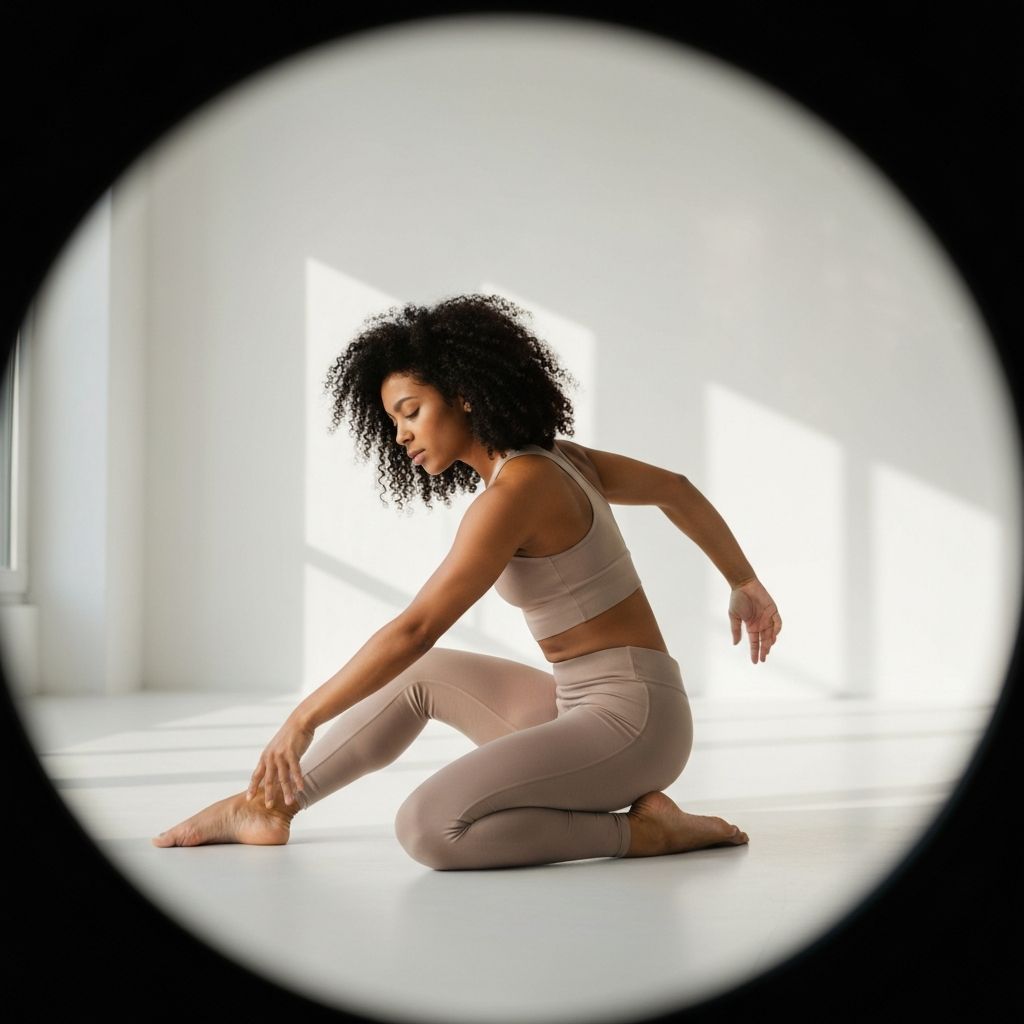
We often think of learning as something that happens in the mind, but the body is equally intelligent. Through movement, you can discover patterns you were not aware of, find new ways of organizing yourself in space, and develop capabilities that emerge naturally from practice rather than forcing.
This somatic learning happens when you pay attention to sensation, notice how different movements feel, and allow your nervous system time to integrate new patterns. It is a slower, gentler process than pushing toward goals, but it creates changes that feel more integrated and sustainable.
Your body holds a lifetime of experiences that shape how you move. Some patterns serve you well; others may create unnecessary tension or limitation. Through mindful exploration, you can become aware of these patterns and discover whether they still serve you or if new possibilities want to emerge.
Principles of Practice
Start where you are: Your current capacity is the perfect place to begin. There is no need to be more flexible, stronger, or more experienced before you start exploring.
Move at your own pace: The speed that allows you to maintain awareness is the right speed. Some days this might be quite slow; other days you might move more dynamically.
Notice without judgment: Developing awareness means observing what is happening without labeling it as good or bad. Your body is giving you information; practice receiving it with curiosity.
The Role of Our Instructors
Our instructors serve as guides rather than authorities. They are experienced practitioners who have developed deep awareness through their own movement explorations, and they use this experience to help you find your own path.
Rather than demonstrating perfect forms for you to copy, instructors offer questions, suggestions, and observations that help you tune into your own experience. They might ask, "What do you notice in your shoulders during this movement?" or "How might you modify this to feel more comfortable?" These questions shift the authority from the instructor to your own body.
This facilitation style requires different skills than traditional teaching. Our instructors are trained to observe movement patterns, offer useful feedback, and hold space for individual exploration within a group context. They understand that their role is to support your discovery, not to impose predetermined outcomes.
Gradual Progression and Patient Practice
Development in movement practice follows a non-linear path. Some days you might feel strong and capable; other days your body might ask for gentler exploration. This variability is not a sign of failure but a natural part of working with a living, changing organism.
We encourage a patient approach that honors this variability. Rather than pushing for constant progress, we suggest consistent engagement with the practice, allowing your body to adapt at its own pace. Over time, you may notice increased ease in movements that once felt challenging, or you may discover new layers of awareness in familiar practices.
This patient progression builds sustainable capacity rather than quick gains that might not last. It also reduces the risk of injury that can come from forcing your body to do things it is not ready for. Trust that your body is learning even when you cannot see immediate results.
Integrating Movement into Life
The studio is where we practice, but life is where movement matters. One of our primary goals is to help you discover how the awareness you develop in practice can inform how you move through your day.
This might mean noticing when you are holding tension while working at your computer and choosing to soften. It might mean taking a moment to organize yourself before lifting a heavy bag. It might mean walking to the store with attention to how your feet contact the ground.
These small integrations accumulate. Over time, many participants find that their relationship with their body changes—not just during practice sessions, but throughout their daily activities. Movement becomes less about doing exercises and more about living with greater ease and awareness.
We support this integration by encouraging participants to experiment with short practices at home, to notice moments in their day when they might apply what they are learning, and to share discoveries about how practice is showing up in their lives.
Building Sustainable Movement Habits
Consistency matters more than intensity. A short, regular practice that you can maintain for years will serve you better than an intense practice you abandon after a few weeks. We help you find an approach to movement that fits into your life rather than requiring you to reorganize your life around movement.
This might mean practicing for just 10-15 minutes several times a week, or finding ways to integrate movement awareness into activities you are already doing. The key is finding what feels sustainable for you, not following someone else's prescription for how much you should practice.
Over time, you may find that practice becomes something you look forward to rather than something you have to do. This shift from obligation to invitation is a sign that you have developed a sustainable relationship with movement.
Creating Positive Movement Experiences
Many people carry negative associations with physical activity from school gym classes, failed workout programs, or comparisons with others. We work to create a different kind of experience—one based on curiosity, self-compassion, and discovery rather than judgment, competition, or obligation.
In our studio, there is no ranking, no comparing your practice to others, and no expectation that you should be able to do what someone else can do. Your practice is your own, and it is valid exactly as it is.
This positive, exploratory approach helps people who have felt alienated from movement reconnect with their bodies. It also helps experienced movers discover new depths in practices they thought they already understood.
What ComMotion Is Not
To be clear about our approach, it helps to name what we do not do:
- We do not diagnose conditions or address specific problems
- We do not promise results or guarantee outcomes
- We do not use our practices as substitutes for necessary care from qualified professionals
- We do not focus on performance, competition, or achieving specific physical standards
- We do not prescribe what you should do, but rather invite exploration of what you might discover
Our work is educational and exploratory. We provide a supportive environment for you to learn about your body through movement, but the learning itself is yours to do. We are here to facilitate, not to fix.